
Wraparound Mortgage Florida Distressed Property Sale: What Sellers Need to Know Before Signing
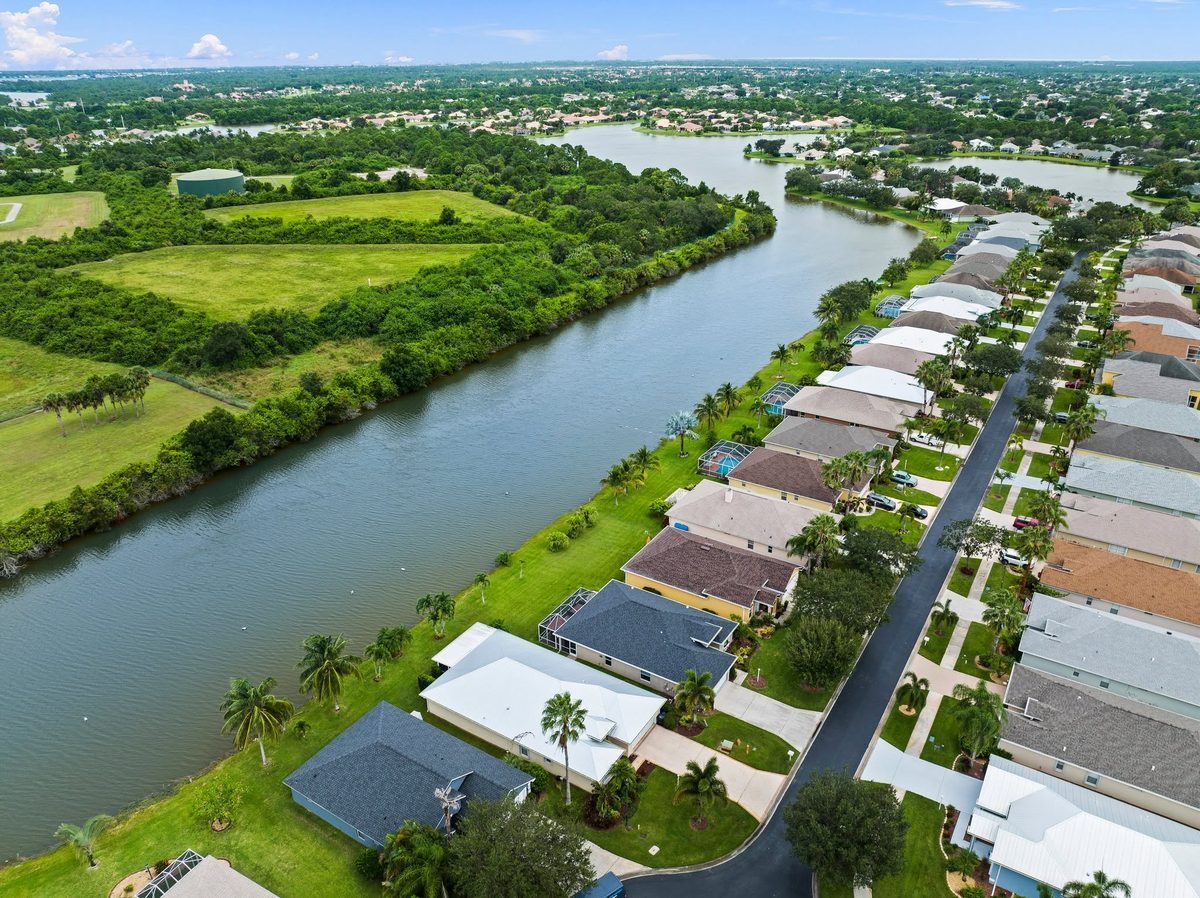
A wraparound mortgage Florida distressed property sale situation may seem like a creative exit, but for most sellers, the legal exposure it creates is far more serious than the problem it claims to solve.
- A wraparound mortgage is a seller-financed arrangement where the original loan stays in place and the buyer pays the seller, who then pays the lender, creating layered legal risk.
- Most conventional mortgages contain a due-on-sale clause that lets the lender call the entire loan balance due the moment the property changes hands, even informally.
- Florida law does not prohibit wraparound mortgages outright, but the legal exposure for a distressed property seller can be significant and hard to unwind.
- A straightforward cash sale sidesteps wraparound mortgage complications entirely because the existing loan is paid off at closing through a clean title transfer.
- Port St. Lucie, FL homeowners dealing with distressed or inherited properties have options beyond creative financing that do not require carrying ongoing legal liability.
You inherited a house in Port St. Lucie that still has a mortgage on it. Or maybe you fell behind on payments, the property needs work, and you just want out. Someone approaches you with an offer that sounds almost too easy: they will take over your payments through something called a wraparound mortgage, and you can move on. It sounds clean. It is not.
Wraparound mortgages come up frequently in distressed property situations because they seem to solve a specific problem, how to transfer a property without paying off the underlying loan. But the legal and financial risk they create does not disappear. It moves. And most of it moves onto the seller.
#What Is a Wraparound Mortgage in Florida?
A wraparound mortgage is a form of seller financing where the seller keeps the existing mortgage in place and essentially becomes the lender to the new buyer. The buyer makes payments to the seller. The seller uses part of those payments to keep paying the original lender. The new loan "wraps around" the old one.
On paper it sounds like a creative solution. In practice, it creates a structure where the seller is simultaneously a borrower (to the original lender) and a creditor (to the new buyer). That dual position is where the problems start.
The seller carries a first mortgage with a remaining balance. A buyer agrees to purchase the home and makes monthly payments to the seller at an agreed rate. The seller continues paying the original lender. The difference in payment amounts is what the seller pockets as a return on seller financing. But the original lender may not know any of this has happened.
#Why Does the Due-on-Sale Clause Matter So Much Here?
The due-on-sale clause is the legal mechanism that makes most wraparound arrangements genuinely risky. Nearly every conventional mortgage originated in the last few decades contains one. According to the Consumer Financial Protection Bureau, a due-on-sale clause allows the lender to demand full repayment of the loan balance immediately if the property is transferred without the lender's approval.
That means the moment you execute a wraparound mortgage and transfer any interest in the property to a buyer, your lender can legally call the entire remaining balance due. If you cannot pay it, they can move toward foreclosure. You, the seller, are still on the hook for that original loan no matter what your buyer agreed to pay you.
- The lender does not have to honor the wraparound arrangement
- The buyer's payments to you do not automatically protect you from default
- If the buyer stops paying, you are still obligated to the original lender
- Title does not cleanly transfer in most wraparound structures until the original loan is satisfied
#Is a Wraparound Mortgage Legal in Florida?
Florida does not have a statute that flatly prohibits wraparound mortgages, but legal does not mean risk-free. The Florida Bar and real estate attorneys routinely caution that these arrangements exist in a gray area, particularly when the underlying loan has a due-on-sale clause that is being worked around without lender knowledge or consent.
There is also the question of disclosure. If a distressed property seller enters a wraparound arrangement without clearly disclosing the existing mortgage to the buyer, that opens a separate category of legal exposure. Florida has a body of real estate disclosure law, including requirements under Florida Bar guidance on seller disclosure, that requires material facts affecting the property's title and financing to be shared with buyers.
A real estate agent working a traditional listing has every incentive to get a deal closed. If a buyer shows up proposing a wraparound mortgage because conventional financing is unavailable, some agents treat it as a creative solution rather than a legal risk. The agent collects a commission. The seller is left holding potential liability for years.
#How Does a Wraparound Mortgage Make a Distressed Property Harder to Sell?
Distressed properties already come with complications, deferred maintenance, code issues, estate disputes, probate delays, tenant situations, or a loan that is already in default. Layering a wraparound mortgage on top of any of these does not simplify the situation. It adds parties, obligations, and potential liability that follows the seller long after they thought the deal was done.
| Option | Existing Mortgage Handled How | Seller Legal Exposure After Sale | Speed to Close |
|---|---|---|---|
| Wraparound Mortgage | Stays in place; seller remains borrower | High, seller liable if buyer defaults; due-on-sale risk remains | Varies; legal complexity can extend timeline |
| Traditional Listing | Paid off at closing from sale proceeds | Low once closing is complete | Weeks to months depending on repairs, inspections, financing |
| Cash Sale (As-Is) | Paid off at closing from cash proceeds | Low, clean title transfer, no ongoing obligation | Often within weeks, sometimes faster |
#Why Is a Cash Sale the Cleaner Alternative to a Wraparound Mortgage on a Distressed Property?
A cash sale to a direct buyer solves the core problem a wraparound mortgage tries to solve, but without the legal exposure. When a cash home buyer purchases a property, the existing mortgage is paid off at closing through the title company. There is no lender sitting in the background with a due-on-sale clause waiting to be triggered. The loan goes away. The seller's obligation ends.
For distressed properties specifically, this matters. If the home needs work, a cash buyer purchases it as-is. There is no inspection contingency derailing the deal