
Why the Fall Real Estate Market for Distressed Homes in Vero Beach FL Looks Different If Your Home Needs Work
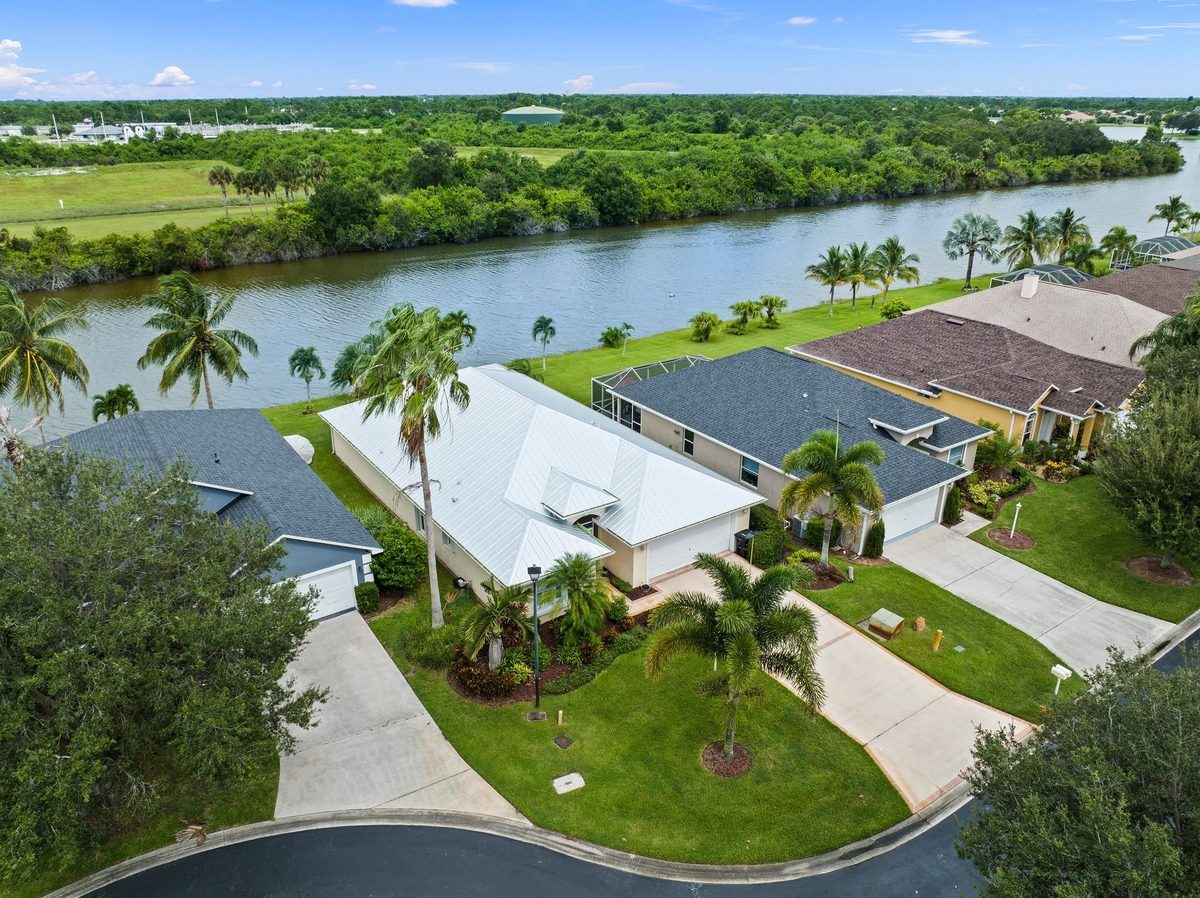
The fall real estate market for distressed homes in Vero Beach FL behaves differently than the seasonal headlines suggest, and understanding that gap can save you months of carrying costs and misplaced expectations. Every September and October, real estate activity along Florida's Treasure Coast picks up. Snowbirds are planning their return. Retirees who spent the summer scouting properties online start scheduling showings. Agents talk about inventory tightening and buyer competition heating up. That narrative is largely true. What most agents won't tell you is that it applies much more to move-in ready homes than it does to properties that are dated, distressed, or carrying deferred maintenance.
If you own a home in the Vero Beach area that needs significant work, the fall market is a different animal. Understanding why matters, especially if you are weighing whether to list, hold, or sell directly. This post walks through what actually happens to distressed inventory during the seasonal shift, and what it means for your decision.
#How Does Snowbird Season Change Inventory Levels in Vero Beach?
Buyer demand in the Vero Beach market increases noticeably as fall arrives, driven largely by seasonal residents returning to the area and out-of-state buyers looking to close before winter. This seasonal pattern is well-documented along Florida's east coast, and Indian River County follows it reliably.
Inventory shifts in two ways during this period. First, sellers who waited out the slower summer months tend to list in September and October, briefly adding supply just as demand climbs. Second, well-priced and well-presented homes absorb quickly, which tightens available inventory for buyers who want something turnkey. The result looks like a strong seller's market on the surface.
The seasonal surge in buyer traffic is real, but snowbird buyers and retirees arriving in fall are often looking for properties they can move into immediately or within a short time frame. They are not typically in the market for a renovation project, and most are not equipped to manage repairs from a distance.
That distinction is exactly where the distressed segment of the market diverges from the headline numbers.
#Does Increased Buyer Traffic Help Sellers of Distressed Homes?
More buyers in the market does raise the floor for distressed properties, but the effect is smaller than most sellers expect. The buyers who pursue fixer-uppers and older homes are a specific subset: investors, contractors, and handy buyers willing to take on a project. That pool does not grow at the same rate as seasonal buyer traffic, because the seasonal arrivals are not that buyer profile.
What this means in practice is that a neglected home in Vero Beach may still sit on the market during fall even as its neighbors in move-in condition are drawing multiple offers. The property is simply targeting a narrower audience, and that audience has not expanded much just because snowbird season started.
| Factor | Move-In Ready Listing | Distressed or Older Home |
|---|---|---|
| Buyer pool in fall | Expands significantly with snowbird and seasonal demand | Remains narrow; limited to investors and project buyers |
| Typical days on market | Often shorter as fall demand absorbs inventory | Often longer; seasonal buyers rarely pursue repairs |
| Pricing pressure | Can support asking price or above in tight inventory | Buyers expect discount for condition regardless of season |
| Financing complications | Conventional and FHA loans generally available | Lenders may decline loans on properties with major issues |
| Inspection and repair risk | Lower; fewer surprises for buyer or lender | Higher; inspections often surface issues that kill deals |
#What Should You Know About Pricing a Distressed Home During Fall?
Pricing a home that needs work is one of the most misjudged parts of a traditional listing, and fall adds a layer of complexity. The temptation is to price based on what move-in ready comparables are doing, then assume buyer activity will carry the listing. It rarely works that way.
Investors and project buyers run their own numbers. They factor in holding costs, repair estimates, and resale margins before making an offer. According to the National Association of Realtors, properties requiring significant repairs typically sell at a steeper discount to comparable move-in ready homes. The exact spread varies by market and condition, but the principle holds consistently: the buyer of a distressed property needs room to profit or recover costs, and the offer price reflects that.
Listing too high and waiting for seasonal demand to bridge the gap usually results in price reductions, extended days on market, and a listing that gets stale right when you wanted it to perform. Buyers notice how long a home has been sitting, and a stale listing in fall becomes a harder sell heading into winter.
Before you list a distressed property in fall, look up the active listings in your price range in Vero Beach and filter for days on market. If properties at your target price are sitting for 60 or 90 days while the overall market is moving faster, that is a signal about your specific buyer pool, not the market in general.
#Is There a Smarter Option for Owners of Older or Neglected Homes?
A cash sale to a direct buyer removes the variables that make a distressed listing unpredictable. There are no lender appraisals to satisfy, no inspections that could derail a deal, and no need to prepare the property for showings or repair items flagged by a buyer's agent. If you want to understand what that process looks like in the broader Treasure Coast region, see how a cash home buyer approaches properties in similar condition.
For properties with deferred maintenance, structural issues, roof age concerns, or simply years of wear that would require updating before a traditional sale, selling as-is to a cash buyer means you know what you are getting and roughly when you are getting it. The tradeoff is that the offer will reflect the condition of the home. That is honest and expected. What sellers sometimes find, though, is that when they account for repair costs, agent commissions, carrying costs during a long listing period, and potential price reductions, the net outcome from a direct cash sale is closer to what they would have cleared from a traditional listing than they initially assumed.
For a closer look at how the as-is process works, selling your house as-is outlines what to expect at each step without the guesswork.
Buddy Buys Florida works with homeowners across the Treasure Coast, including the Port St. Lucie, FL area, who are in exactly this position. Older homes, inherited properties, and houses that have not been updated in years are common situations. There is no pressure to decide quickly, and knowing your options costs nothing.
#What Does This Mean for Homeowners Deciding Right Now?
Fall is a reasonable time to sell in the Vero Beach area, but your strategy should match your property, not the general market headline. If your home is in good condition, a traditional listing in fall can work well. If it