
Why Do Closing Delays From Florida Fall Title and Lien Issues Happen More Than You'd Expect?
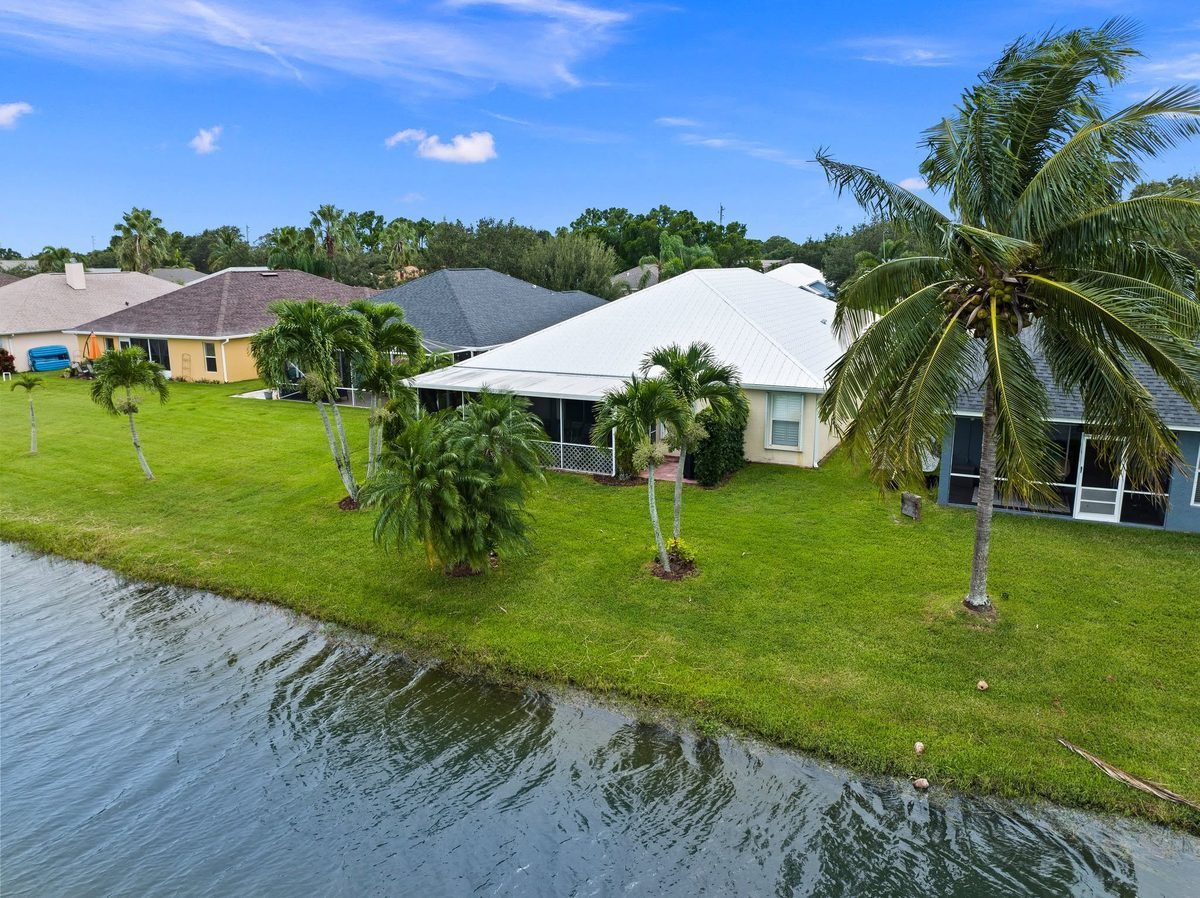
- Closing delays in Florida fall title lien issues are among the most common reasons home sales stall, compounded by reduced courthouse and county office schedules during the holiday season.
- Some lien issues clear through administrative channels in days; others require a quiet title action that can take months to resolve in court.
- Unpaid contractor liens, HOA assessments, and code enforcement fines are the three issues Port St. Lucie homeowners run into most often at the closing table.
- A cash buyer skips the lender's title requirements, which removes one layer of delay, though it does not erase liens that must still be paid or litigated.
- Knowing which type of title problem you have before listing can save weeks and prevent a contract from falling apart at the last minute.
Closing delays from Florida fall title lien issues catch sellers off guard every year, even in a market as active as Port St. Lucie. October through December looks like an ideal window to sell: snowbirds return, buyer interest picks up, and the brutal summer heat is finally gone. What most sellers do not see coming is the title and lien problems that surface right as they are trying to close.
Florida's closing process requires a clean title. That sounds simple until a title search turns up a lien you forgot about, a judgment that attached years ago, or a gap in the chain of title from a previous transaction. Fixing those problems takes time, and fall is not always the fastest season to get it done. County offices, clerk windows, and some courts run on lighter staffing around holidays. A problem that might clear in two weeks in March can stretch to six weeks or more if it surfaces in November.
This post explains the most common title and lien issues that delay Florida closings, which ones require court involvement, and how understanding your situation early can keep you from losing a buyer while the paperwork catches up.
#What Are the Most Common Title and Lien Problems in Florida?
The most common problems that surface on a Florida title search fall into a few clear categories, and each one has a different resolution path.
#Contractor and Mechanic's Liens
Florida law gives contractors, subcontractors, and suppliers the right to place a lien on a property when they have not been paid for work done on it. These liens can be filed without going to court, which means a homeowner may not know one exists until a title search runs it down. Florida's Construction Lien Law (Chapter 713, Florida Statutes) gives lienholders strong rights, and clearing these liens generally requires paying the amount owed or negotiating a release directly with the lienholder.
#HOA Liens and Special Assessments
Homeowner associations in Florida have the authority to place a lien on a property for unpaid dues or special assessments. These are common in Port St. Lucie, where large planned communities with active HOAs are the norm rather than the exception. HOA liens can sometimes be negotiated down or paid off at closing from proceeds, but they must be resolved before the title transfers cleanly.
#Code Enforcement Fines
Unpermitted work, overgrown lots, or housing code violations can result in fines that accumulate over time and attach to the property. St. Lucie County has its own code enforcement process, and outstanding fines often require a hearing or formal reduction request before they are cleared. This step alone can add weeks to your timeline.
#Judgment Liens
A court judgment against a property owner, from a lawsuit, unpaid debt, or divorce proceeding, can attach to real property in Florida. These are harder to resolve quickly because they typically require either full payment or a formal release from the creditor, and sometimes both parties need to appear or sign off through legal counsel.
| Issue Type | Resolution Path | Requires Court? | Typical Time to Clear |
|---|---|---|---|
| Contractor / Mechanic's Lien | Pay lienholder or negotiate release | Usually no | Days to a few weeks |
| HOA Lien or Assessment | Pay from closing proceeds or negotiate with HOA | Usually no | Days to two weeks |
| Code Enforcement Fine | Request reduction hearing, pay fine | Sometimes | Two to six weeks |
| Judgment Lien | Pay creditor or obtain lien release | Sometimes | Two to eight weeks |
| Clouded Chain of Title | Quiet title action filed in circuit court | Yes | Three to twelve months |
#Which Title Problems Require a Court to Fix?
Quiet title actions are the ones that genuinely take months, not weeks. If your property has a break in the chain of title, a disputed ownership claim, or an old mortgage that was never formally discharged, a quiet title lawsuit filed in Florida circuit court is often the only path forward.
The court process requires serving all parties with a potential interest in the property, waiting for responses, and then obtaining a judge's order. During that entire period, the property generally cannot close. A buyer financing through a lender will almost certainly walk away rather than wait. Even a motivated cash buyer may not be willing to hold a contract open for six months or more.
A quiet title action is not always unavoidable. An experienced real estate attorney may find a simpler administrative path if the title issue is a clerical error or a discharged debt that was never recorded as satisfied. Get a legal opinion before assuming you need to file suit.
What most agents won't tell you when they list your property is that they have no way to know a title problem exists until the title search runs, which usually happens after you are already under contract. By then, a buyer is waiting, their rate lock is ticking, and the pressure to either fix the problem fast or renegotiate the price is real.
#Does Selling to a Cash Buyer Remove These Closing Delays?
A cash sale removes the lender from the transaction, and that matters more than people realize. When a buyer finances through a bank or mortgage company, the lender requires a clean title before they will fund the loan, every lien, every judgment, and every cloud on title must be resolved to the lender's satisfaction before closing can happen.
A cash home buyer takes on the title risk differently. They may be willing to close knowing that certain liens will be paid from proceeds at closing, rather than requiring those liens to be cleared before the transaction even begins. This is a lesser-known option some homeowners use when dealing with messy title situations and a firm timeline.
That said, a cash sale does not erase liens. A legitimate cash buyer will still conduct a title search, and liens that exceed the sale price or that are genuinely disputed will still need resolution. The difference is that a cash buyer often has more flexibility about how and when that resolution happens within the deal structure, whereas a financed buyer has almost none.
Properties in older Port St. Lucie neighborhoods sometimes carry unresolved permit issues from decades-old additions or unpermitted structures. These can show up as code enforcement flags on a title search and slow a financed sale considerably. A cash buyer who understands local property history can sometimes move forward in ways a lender-backed buyer simply cannot.
#What Can You Do Before Fall to Reduce the Risk of a Closing Delay?
If you are thinking about selling this fall, the single most useful step you can take right now is ordering a preliminary title search before you list or accept any offer. Many title companies in Florida will run one for a modest fee, and it gives you a clear picture of what is attached to your property before a buyer's clock starts ticking.
From that report, you can prioritize:
- Liens that are small enough to pay off immediately from savings
- HOA arrears that can be settled directly with the association
- Code enforcement fines that may qualify for a reduction hearing
- Anything that may require an attorney or a quiet title action, so you can get that process started now rather than in the middle of a contract
If you are weighing whether to list traditionally or explore faster options, you can also sell your house as-is to a cash buyer, get a clear offer in hand, and then decide whether the traditional listing route is worth the added risk of a deal falling apart at closing. That comparison gives you real information to work with rather than guesswork.
#Common Questions
How long does a quiet title action take in Florida?
A quiet title action in Florida circuit court typically takes between three and twelve months from filing to final judgment, depending on court scheduling, how many parties must be served, and whether the case is contested. It is one of the few title problems that cannot be resolved administratively, which is why discovering it early matters so much.
Can I sell my house in Port St. Lucie if there are liens on it?
Yes, liens do not prevent a sale outright in most cases. They typically must be paid off or resolved at or before closing, often from the sale proceeds. The challenge comes when liens exceed the expected sale price or when the lienholder disputes the amount owed, which can require negotiation or legal action that delays the closing.
Does a cash buyer still check the title in Florida?
Yes, any serious cash buyer will still run a title search. The difference is that a cash buyer is not subject to a lender's underwriting requirements, so they have more flexibility to structure around certain title conditions or agree to pay liens from closing proceeds rather than requiring everything to be clean before signing.
What is the fastest way to clear a lien before a Florida closing?
The fastest path is to contact the lienholder directly, confirm the payoff amount, and arrange payment or a formal release. Many contractor and HOA liens can be resolved this way within days if funds are available. Judgment liens and code enforcement fines may require additional steps, including creditor negotiations or a county hearing, which take longer.
If you are sitting on a property in Port St. Lucie with title issues you are not sure how to untangle, Buddy Buys Florida is happy to give you a straightforward picture of your options, no pressure, no obligation, just an honest conversation about what the property situation looks like and whether a cash sale makes sense for you.