
What Is a Trustee's Deed and Why Does It Matter for a Trustee's Deed Florida Estate Property Sale?
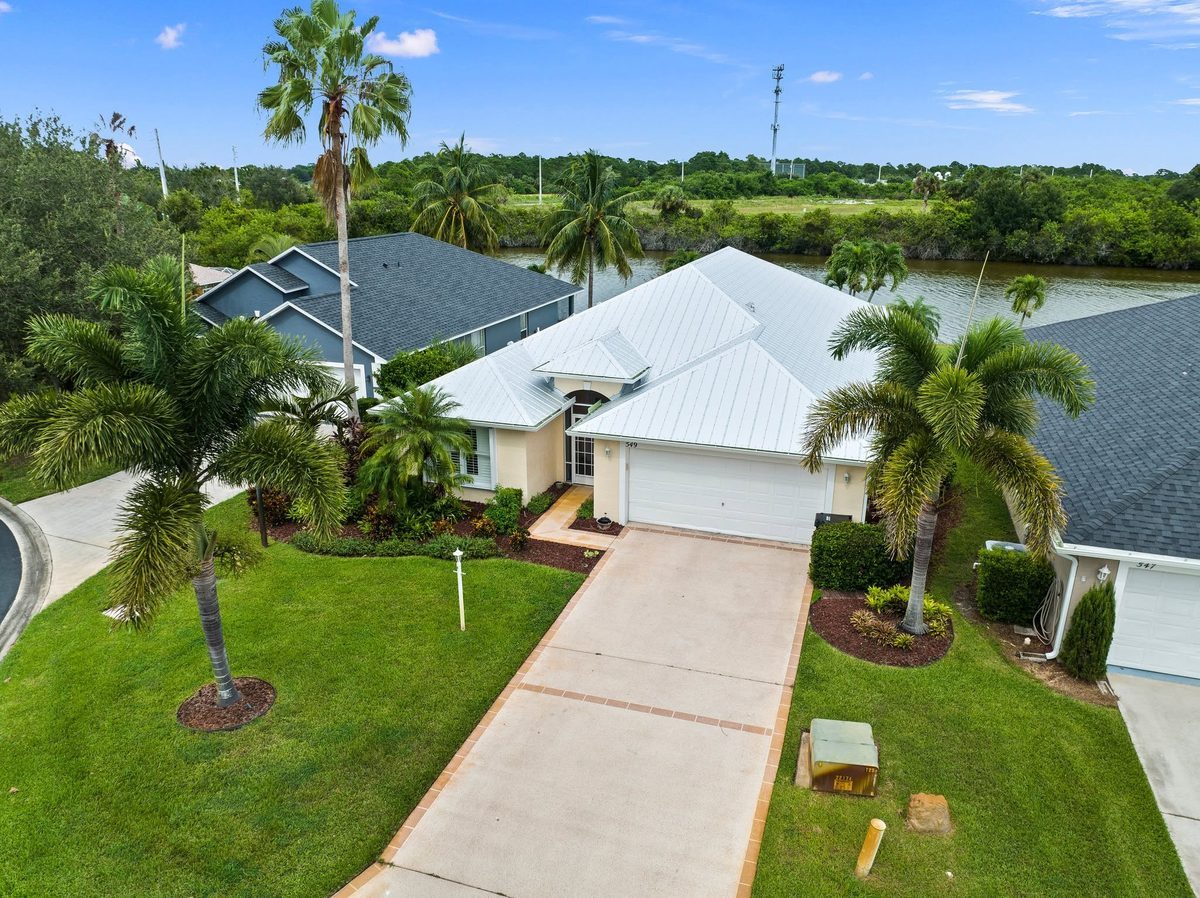
A trustee's deed Florida estate property sale is the legal transaction that occurs when a trustee signs a deed to transfer ownership of real property held inside a trust. It matters because the person signing is not signing as an individual owner, they are signing on behalf of a legal entity, the trust itself, and that distinction carries real consequences for title, liability, and what warranties the buyer receives at closing.
When someone in Port St. Lucie, FL set up a revocable living trust before they died, the house they put into that trust does not go through probate. Instead, the successor trustee steps in and has the authority to sell, transfer, or manage that property according to the trust's terms. The instrument they use to transfer title to a buyer is the trustee's deed.
- A trustee's deed is the legal instrument a trustee uses to transfer real property held in a trust, and it differs from a standard warranty deed in important ways that affect what title protection a buyer receives.
- Florida law requires the trustee to have clear authority under the trust document before executing a deed, and both buyers and sellers should verify that authority before closing.
- Inherited or estate properties in Port St. Lucie, FL are sometimes held inside a revocable living trust, which means a trustee's deed is the correct conveyance instrument rather than a personal representative's deed or a standard warranty deed.
- Cash buyers can often close faster on trust-held properties because they skip the lender underwriting process, which can be a practical advantage when trustee authority questions slow things down.
- Understanding which deed type applies to your situation before you list or accept an offer can prevent a closing from falling apart at the last moment.
Revocable living trusts became a common estate planning tool in Florida partly because they allow real estate to transfer without a court-supervised probate process. That makes trust-held property more common than many people expect, especially in communities with a significant retiree population like much of the Treasure Coast.
#How Does a Trustee's Deed Differ from Other Florida Deed Types?
Florida recognizes several deed types, and each one signals something different about the seller's title position and what promises they are making to the buyer. Knowing the difference is not just a technicality, it affects real risk.
| Deed Type | Who Signs | Warranty of Title | Typical Use Case |
|---|---|---|---|
| Trustee's Deed | Trustee, acting in trust capacity | Limited or none (trustee not personally liable) | Property held in a living trust being sold or transferred |
| Personal Representative's Deed | Court-appointed personal representative | Limited or none (fiduciary capacity only) | Property sold through probate estate |
| General Warranty Deed | Individual owner | Full warranty against all claims | Standard arms-length sale between individual parties |
| Quitclaim Deed | Any grantor | None whatsoever | Transfers whatever interest the grantor holds, often between family members |
The key distinction with a trustee's deed is that the trustee is conveying the trust's interest, not their own personal ownership. Because of that, they typically cannot make broad personal warranties about the title, they can only warrant what they know about as trustee. A buyer relying on a trustee's deed is, in practice, relying heavily on title insurance and a careful review of the trust document itself to verify that the sale is legitimate.
#When Does a Trustee Use a Deed to Sell an Inherited Property?
A trustee must use a trustee's deed any time the real property being sold is titled in the name of the trust rather than in an individual's name. This situation comes up most often after the original trust creator has died and the successor trustee is carrying out the distribution or sale of trust assets.
Here is a concrete example of how this unfolds. A homeowner in Port St. Lucie placed their house into a revocable living trust thirty years ago, naming themselves as the initial trustee and an adult child as the successor trustee. When the homeowner passes away, the trust becomes irrevocable. The child, now acting as successor trustee, has the authority to sell the house and distribute the proceeds according to the trust document. To transfer title to the buyer, they execute a trustee's deed.
A trustee cannot simply sign a regular warranty deed as if they personally own the property. Doing so could cloud the title and create serious problems for the buyer down the road. The deed must clearly identify the grantor as trustee of the named trust, not as an individual.
There are also situations where a trust holds property and the trustee is selling it during the trust creator's lifetime, perhaps because the creator is now incapacitated. The same rule applies. The trustee's deed is the correct instrument, and the trustee's authority must be verified before the transaction can close cleanly.
#What Should Buyers and Sellers Verify About Trustee Authority Before Closing?
Trustee authority is the first thing that needs to be confirmed, and a title company or real estate attorney should be doing this as a matter of course. But if you are the seller or a buyer navigating a trust-held property sale, it helps to understand what they are actually looking for.
- The trust document itself should grant the trustee explicit power to sell real property. Most well-drafted Florida trusts include this, but it should be verified, not assumed.
- The successor trustee's status needs to be confirmed. If the original trustee is deceased, there should be a death certificate and documentation showing the successor has formally accepted the role.
- A certification of trust is a shortened document, authorized under Florida law, that allows the trustee to confirm key facts about the trust without disclosing the entire document to third parties. Under Florida Statutes Section 736.1017, a trustee may provide this certification in lieu of the full trust agreement, and a person who relies on it in good faith is protected.
- Any co-trustees must also sign if the trust requires unanimous or joint action.
- Title insurance should be obtained. It protects the buyer if a trust authority question surfaces after closing.
#Does Selling a Trust-Held Property Take Longer Than a Standard Sale?
It can, but it does not have to. The timeline depends mostly on how organized the trust documentation is and whether the trustee has already gathered everything a title company needs to verify authority.
If the trust was set up by a careful estate planning attorney and the documents are in order, a trust-held property sale can move just as quickly as a standard transaction. The complicating factors tend to be missing paperwork, disagreements among beneficiaries, or situations where multiple successor trustees need to sign and one of them is hard to reach.
Working with a cash home buyer rather than listing on the open market is one way to close a trust-held property faster. A cash buyer skips the mortgage underwriting process entirely, which removes one major source of delay. Lender requirements around trust documentation can sometimes cause a financed deal to stall or fall apart even when the trust documents are technically in order, lenders have their own review processes and they do not always move quickly.
A system some homeowners use when they are acting as successor trustee and want to close an estate efficiently is to contact a direct buyer early, before investing time and money in preparing the property for retail listing. That conversation costs nothing and gives the trustee a realistic sense of what a quick sale looks like compared to a longer traditional sale process. If the property also needs work, exploring an option to sell the house as-is can eliminate repair costs and further shorten the timeline.
#Is a Trustee's Deed the Same as a Personal Representative's Deed in Florida?
No, and mixing them up can cause real problems. A personal representative's deed is used when property passes through the probate process. The personal representative is appointed by the court and has authority granted by that court order. A trustee's deed is used when property was already inside a trust and never needed to go through probate at all.
The practical difference is significant. Probate-based sales require court oversight, which adds time and cost. Trust-based sales can often proceed without any court involvement, provided the trustee has authority under the trust document, one of the main reasons people establish living trusts in the first place.
If a Port St. Lucie property owner died without a trust and without other probate-avoidance tools in place, the estate likely needs to go through Florida probate before the property can be sold. That is when a personal representative's deed comes into the picture, not a trustee's deed. Getting this distinction right from the beginning keeps the closing process from derailing later.
#Common Questions
Can a trustee sell property without all beneficiaries agreeing?
Whether the trustee needs beneficiary consent depends on what the trust document says. Many Florida revocable trusts give the trustee broad discretionary authority to sell, lease, or manage property without needing beneficiary approval. However, the trustee still has a fiduciary duty to act in the beneficiaries' best interests, and selling below a reasonable market value without cause could expose the trustee to a legal challenge. When in doubt, consulting a Florida trust attorney before proceeding is the practical step.
Does a trustee's deed need to be recorded in Florida?
Yes. Like any deed conveying Florida real estate, a trustee's deed must be recorded in the public records of the county where the property is located. In Port St. Lucie, that is St. Lucie County. Recording provides constructive notice to the world that the property has been transferred and is an essential step for the buyer to hold clear title.
What happens if the original trust document cannot be found?
A missing trust document is a real problem because the title company and any buyer need to verify trustee authority, and the certification of trust process still requires the trustee to attest to the trust's terms. If the original document is lost, the successor trustee may need to petition a Florida court to establish the trust's existence and terms, or to have the trustee's authority formally recognized. This is a situation where a Florida probate or trust attorney becomes essential, and where a cash buyer willing to work through title complications can sometimes be the more practical path forward.
Can Buddy Buys Florida purchase a property that is held in a trust?
Yes. Trust-held properties are a normal part of what Buddy Buys Florida handles. The process involves working with the trustee to confirm authority, coordinating with a title company, and proceeding to close once the documentation is in order. If you are a successor trustee in Port St. Lucie, FL trying to figure out the fastest and least complicated way to sell a trust-held property, a conversation with a direct buyer is a reasonable starting point.
If you are a successor trustee or a beneficiary trying to sort out a trust-held property in Port St. Lucie, FL, Buddy Buys Florida is available to walk through the situation with you. There is no pressure and no obligation. You can call or fill out the contact form to get a straightforward conversation started.