
Stucco Inspection Water Intrusion in Port St. Lucie, FL: What Sellers Need to Know
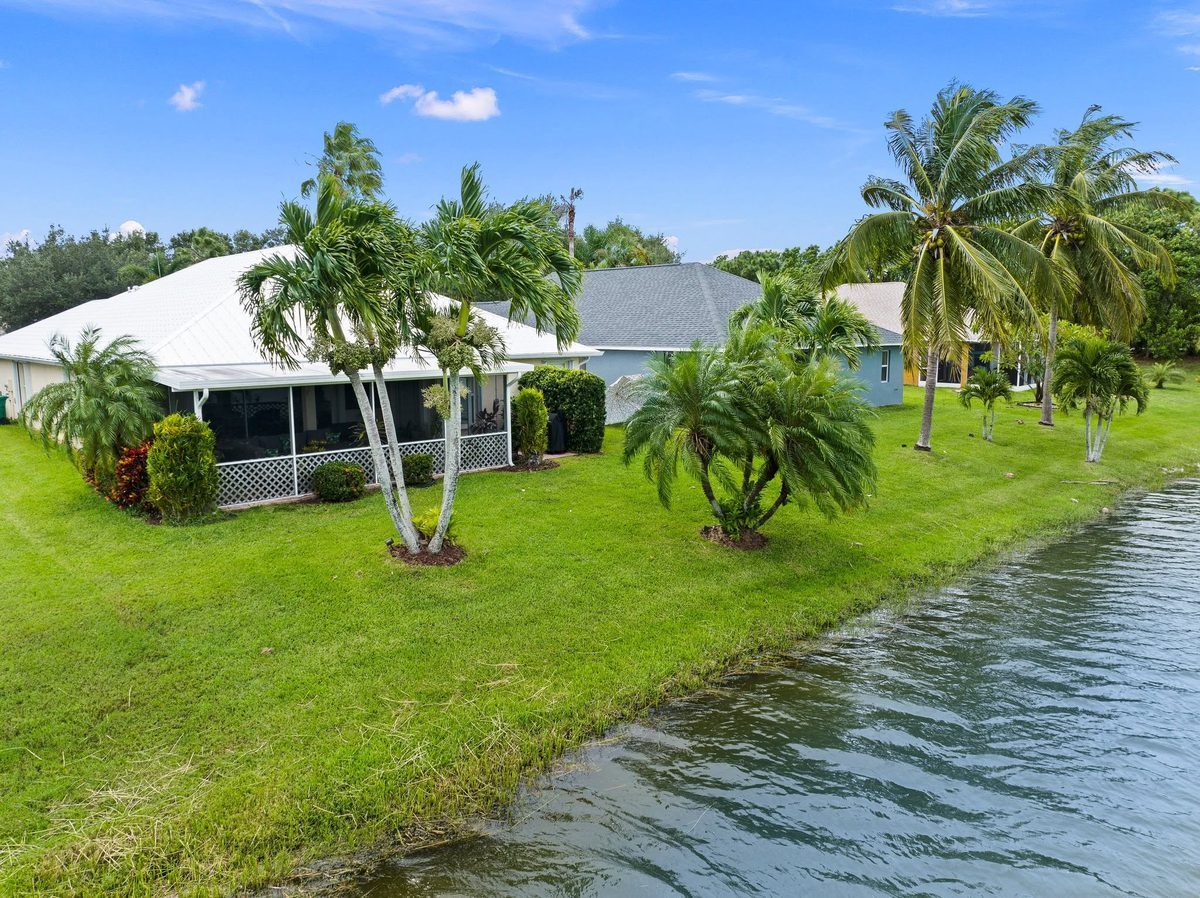
- Florida's wet season accelerates stucco cracking and delamination, and fall is when many Port St. Lucie homeowners first notice the damage left behind.
- EIFS (synthetic stucco) carries stricter inspection scrutiny than traditional hard-coat stucco because it traps moisture against the wall assembly rather than letting it drain.
- A stucco inspection that turns up water intrusion does not automatically kill a sale, but it does change your options depending on who your buyer is.
- As-is cash buyers typically absorb stucco defect findings into their offer rather than requiring repairs before closing.
- Knowing what inspectors actually test for lets you prepare your home and your expectations before a buyer orders their own report.
#Why Does Stucco Water Intrusion Show Up in Port St. Lucie, FL After Summer?
Stucco inspection water intrusion in Port St. Lucie, FL is one of the most common issues sellers face when listing in the fall. The Treasure Coast takes a beating every summer. Rain hits hard from June through September, humidity sits near saturation for weeks at a stretch, and any hairline crack in your stucco exterior becomes a slow invitation for water to work its way behind the wall. By the time fall arrives, the wet season has done its work. That is when the evidence becomes visible.
Efflorescence, the chalky white mineral deposits that bleed through stucco, tends to appear weeks or even months after moisture has already entered the wall. Soft spots, hollow-sounding sections, and staining around windows often become obvious in October and November after the rain has finally backed off. If you are planning to list your home, fall is exactly when a buyer's inspector is going to find what the summer left behind.
Many sellers in Port St. Lucie list in late fall or early winter to catch the snowbird market. That means buyers are ordering stucco inspections right after the region's worst water-intrusion season. The inspection report lands at the worst possible time if you have not looked first.
#How Does Stucco Actually Fail in a Florida Climate?
Stucco fails through two main mechanisms, and Florida accelerates both of them.
The first is cracking. Traditional Portland cement stucco is rigid. It does not flex. When the framing behind it expands and contracts with heat and humidity cycles, the stucco develops hairline cracks, particularly at wall corners, window and door openings, and anywhere two different building materials meet. Those cracks channel water directly into the wall assembly.
The second is delamination. This is where the stucco coat separates from the substrate beneath it, creating a void. Tap a delaminated section with your knuckle and you will hear a hollow sound instead of a solid one. Water collects in those voids, and once it does, the damage compounds quickly because there is no path for it to dry out. Rot, mold, and structural deterioration in the framing behind the stucco can follow.
- Diagonal cracks at window corners are one of the most common entry points for water intrusion.
- Horizontal cracks along the base of walls suggest the bottom coat has separated from the scratch coat below it.
- Staining that reappears after painting suggests active moisture movement, not just a cosmetic flaw.
- Bubbling or blistering paint over stucco often means moisture is trapped in the wall and has nowhere to go.
#What Is the Difference Between EIFS and Traditional Stucco for a Seller?
EIFS (Exterior Insulation and Finish System), sometimes called synthetic stucco, looks nearly identical to traditional hard-coat stucco from the curb but behaves very differently when water gets behind it.
Traditional stucco is applied over a water-resistive barrier and metal lath in multiple coats. It is porous and somewhat self-draining. When a crack lets water in, it can also let water out during dry periods. Traditional stucco is not immune to damage, but it is more forgiving.
EIFS is a foam board insulation layer covered by a thin synthetic finish coat. The system is designed to be a complete moisture barrier. When it works, it keeps water out entirely. When it fails, water that gets behind the foam board has nowhere to go. It sits against the sheathing and framing, often for years, before anyone notices. According to the U.S. Environmental Protection Agency, chronic moisture intrusion behind wall systems is one of the most common causes of hidden mold growth in residential buildings, a risk that is significantly elevated in Florida's high-humidity climate.
| Factor | Traditional Hard-Coat Stucco | EIFS (Synthetic Stucco) |
|---|---|---|
| Moisture drainage | Somewhat self-draining; cracks can dry out | Designed as a barrier; water trapped behind it cannot escape |
| Inspection method | Visual inspection often sufficient for surface evaluation | Probe testing or moisture meter readings typically required |
| Repair complexity | Crack patching and sealing is often straightforward | Remediation may require removing sections of cladding to dry framing |
| Buyer lender reaction | Generally acceptable with disclosed repairs | Some lenders require clearance from a certified EIFS inspector |
#What Does a Stucco Inspection Actually Test for Water Intrusion?
A qualified stucco inspector does more than look at the surface. A thorough stucco inspection for water intrusion typically includes both visual assessment and moisture testing using calibrated moisture meters or probe tests at high-risk locations like window flanges, penetrations, and wall base areas.
Inspectors check the condition of caulk and sealant at all transitions, the integrity of the control joints designed to manage cracking, and whether any previous repairs were done correctly. A patch job done without addressing the underlying crack pattern, or without proper waterproofing at the edges, can actually trap more moisture than the original crack did.
A standard home inspection does not always include a dedicated stucco moisture test. Buyers often have to request and pay for a separate specialist inspection. If your buyer's general inspector misses a delaminated section and a follow-up stucco inspector finds it later, you are back at the table under worse conditions.
#What Happens When a Stucco Inspection Finds Water Intrusion Before a Sale?
The finding itself is not the end of the deal. What happens next depends almost entirely on who your buyer is.
A buyer using conventional financing will likely need the stucco issue addressed before their lender will fund the loan. That means getting a contractor's estimate, negotiating who pays, scheduling the work, and waiting for a re-inspection. In some cases, if moisture has reached the framing, the repair scope expands significantly and the timeline with it. This is the scenario that kills listings