
How Code Enforcement Violations in Port St. Lucie Escalate in Fall, and What to Do About It
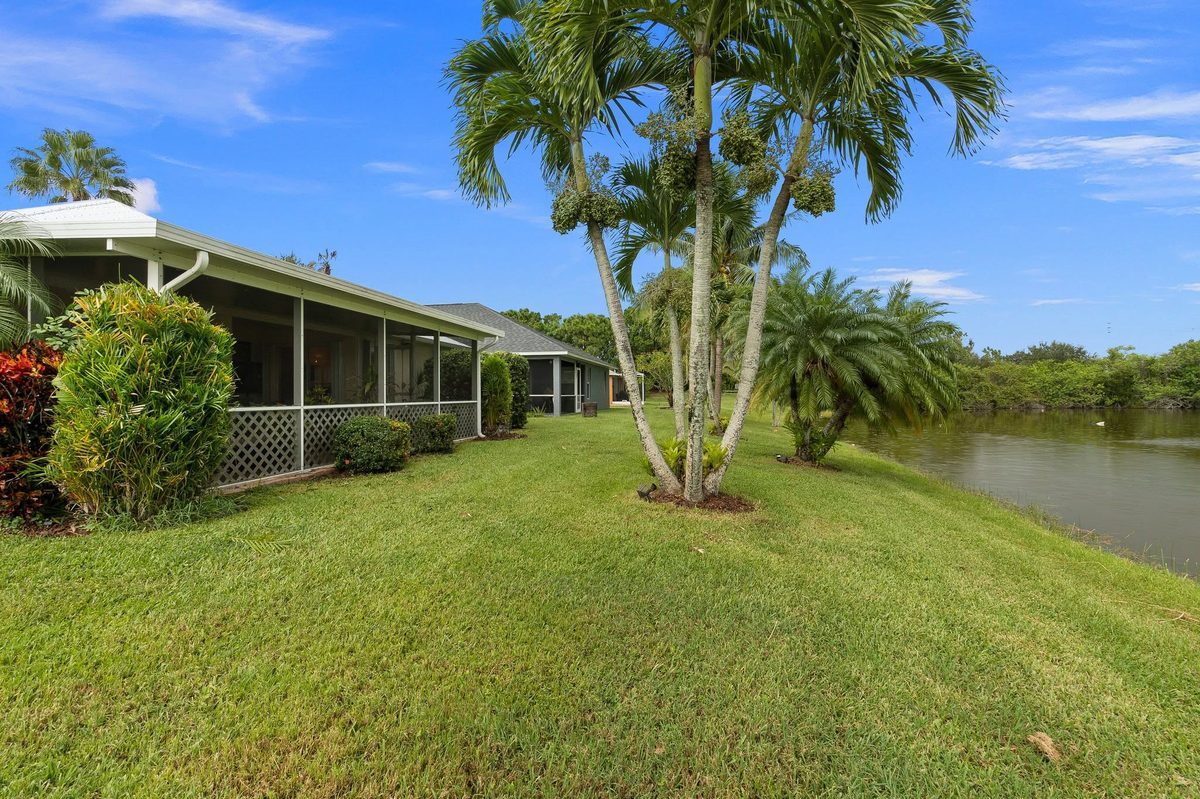
Code enforcement violations in Port St. Lucie tend to surge in fall, once Atlantic hurricane season quiets and municipal inspectors shift from storm response back to proactive neighborhood patrols. If you own a vacant lot, an inherited house you have not touched in months, or a property that took storm damage you could not afford to repair, this is the time of year when a notice is most likely to appear on your door or in your mailbox. Understanding why that happens and what your options are can save you real money.
#Why Do Municipalities Ramp Up Inspections After Storm Season?
Post-storm patrol gives inspectors a clear picture of which properties were already distressed before the storm hit. A yard that was borderline overgrown in July looks dramatically worse in October after months of summer rain and no maintenance. Storm debris that sat uncollected through September becomes a code violation by the time fall sweeps begin.
During peak hurricane season, inspectors and municipal staff are often redeployed to assist with emergency response and damage assessment. Once that work winds down, routine enforcement resumes with a backlog to work through. Neighborhoods with a higher concentration of vacant or neglected properties tend to get flagged for systematic review rather than complaint-only response.
Code enforcement in many Florida municipalities operates on both a complaint-driven and proactive patrol basis. Proactive sweeps mean your property can be cited even if no neighbor has complained. A lawn that grew too tall during storm season may be enough.
#What Violations Are Most Common on Distressed Properties in Fall?
Overgrown vegetation tops the list. Florida's summer growing season is relentless, and a property that went unmaintained from June through September can accumulate months of unchecked growth. Most municipalities set a maximum grass height, and anything beyond that is citable.
- Overgrown grass, weeds, and shrubs encroaching on sidewalks or adjacent lots
- Storm debris left on the property, including downed branches and damaged fencing
- Unsecured structures such as open garage doors, broken windows, or damaged roofing
- Peeling or deteriorating paint on exterior surfaces
- Vehicles on the property that are unregistered, inoperable, or parked on unpaved surfaces
- Pools or water features that have gone green and unmaintained
For vacant properties, the combination of several of these at once is common. The property was not abandoned overnight, it declined gradually, and fall sweeps tend to catch the accumulation all at once.
#How Fast Can Fines Add Up?
This is where homeowners are sometimes blindsided. A single citation does not always come with a one-time fine. Many municipalities issue a notice of violation with a compliance deadline, often somewhere between 10 and 30 days. If the violation is not corrected by that deadline, daily fines begin accruing.
Under Florida Statutes Chapter 162, local code enforcement boards have the authority to impose fines of up to $1,000 per day for repeat violations and up to $5,000 per day for violations that present a serious threat to public health, safety, or welfare. Most routine violations carry lower daily rates, but even modest daily fines compound quickly over weeks.
Unpaid fines can eventually become liens against the property. A lien attached to a property title complicates or blocks any future sale through traditional channels. What started as an overgrown lawn can turn into a title problem that outlasts the original violation by years.
| Option | Handles Violations Before Sale? | Speed to Closing | Condition Requirements |
|---|---|---|---|
| List with a real estate agent | Usually requires seller to cure violations first | Weeks to months | Property typically needs to meet lender standards |
| Sell as-is to a cash buyer | Buyer purchases with violations present | Often days to a few weeks | No repair or cleanup requirement |
#What Should You Actually Do If You Get a Notice?
Read the notice carefully. It will name the specific violations, cite the relevant municipal code section, and give you a compliance deadline. The deadline is real. Ignoring it starts the daily accrual clock.
If the violation is something you can fix yourself or hire out quickly, do it and document it. Take dated photos of the corrected property and request a reinspection promptly. Do not assume the inspector will drive by and close the case on their own schedule.
Vacant and inherited properties are the hardest to manage from a distance, especially when the estate is unresolved or the property is in another person's name. If you are not local to Port St. Lucie and the violations are mounting, you may need to decide quickly whether you are going to invest in bringing the property into compliance or move toward a sale before the fines compound further.
A property with active code violations is often difficult or impossible to finance through a conventional mortgage. That limits your buyer pool significantly when listing on the open market. A buyer who requires a loan will typically need the violations resolved before the lender approves the deal. A cash buyer does not have that constraint.
#Is Selling As-Is an Option When There Are Code Violations?
Yes, and it is a path some homeowners use specifically to stop the fine clock before a violation becomes a lien. A cash home buyer who purchases as-is takes the property in its current condition, violations and all. The sale closes, the title transfers, and the fines stop accruing against you.
This does not mean the violations disappear. They transfer with the property, and the new owner takes responsibility for addressing them. But for a homeowner who cannot afford the repairs, does not want to manage a contractor from out of state, or is dealing with an estate situation with competing priorities, a fast as-is sale can be a practical exit from a situation that only gets more expensive with time.
Buddy Buys Florida works with homeowners in Port St. Lucie who are in exactly this situation, overgrown properties, inherited houses, storm-damaged homes, vacant lots with violations pending. The process does not require the property to be cleaned up or repaired before closing.
If fall code enforcement sweeps have put a notice in your mailbox, or you are watching a property decline and wondering how bad it will get by December, it may be worth a conversation now rather than after the fines have run for another month.
#Common Questions
Can I sell my house in Port St. Lucie if it has active code violations?
Yes, you can sell a property with active code violations, but your options depend on how you sell. A traditional sale to a financed buyer usually requires violations to be resolved before closing because lenders will not approve a mortgage on a property with open municipal citations. A cash buyer who purchases as-is does not have that requirement, which makes a direct cash sale one of the more practical paths for a property that has accumulated violations you cannot easily fix.