
How a Probate Home Sale in Port St. Lucie, FL Works When You Inherit a Home
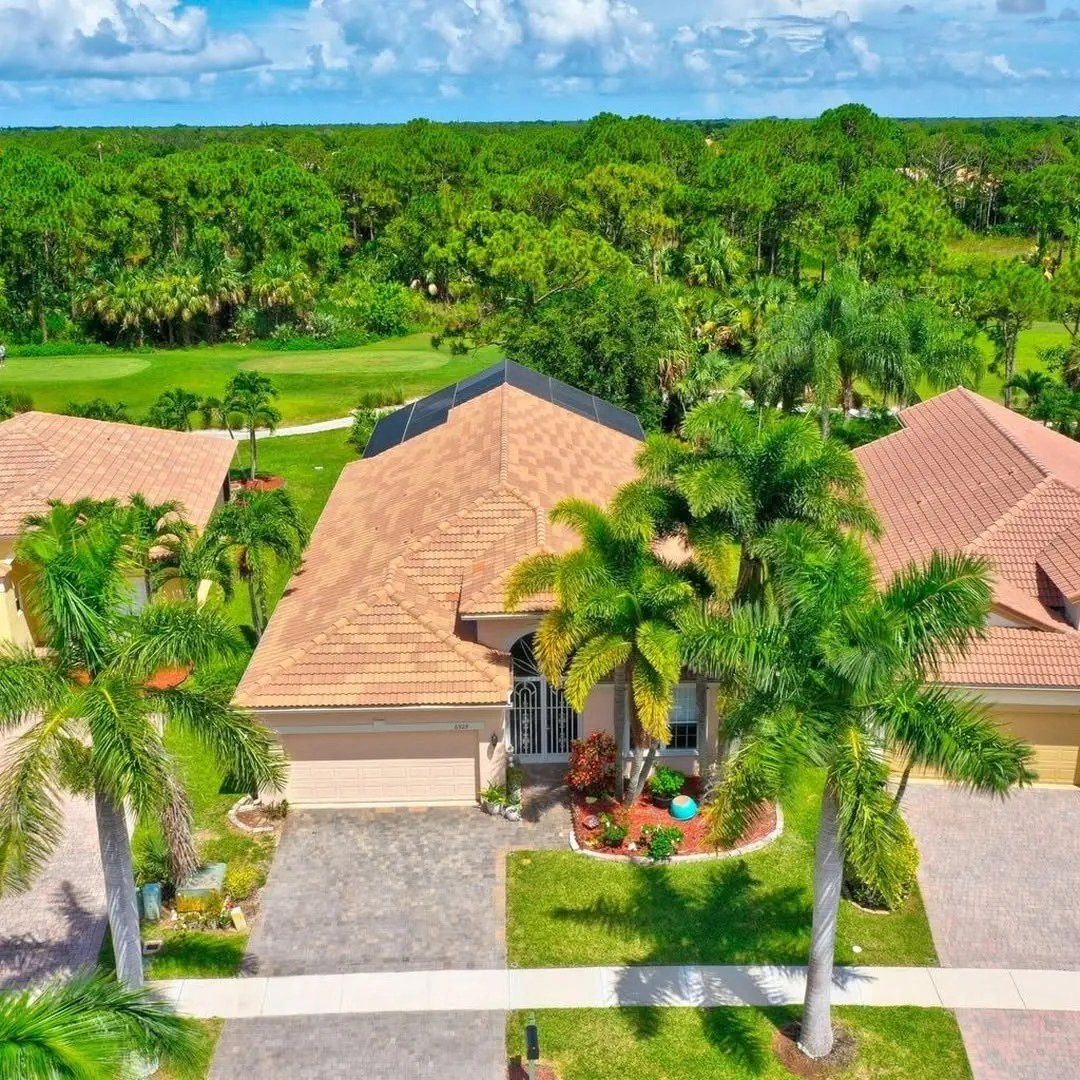
If you're navigating a probate home sale in Port St. Lucie, FL after inheriting a property, there's a good chance the legal process is standing between you and the closing table. Most people don't know what probate actually involves until they're already in the middle of it. This post walks through how Florida's probate process works, what your role looks like as a personal representative, and what to realistically expect before any sale can move forward.
#What Is Florida Probate and Do You Have to Go Through It?
Probate is the legal process a Florida court uses to recognize a deceased person's estate, validate their will (if one exists), and authorize the transfer of assets to heirs or beneficiaries. In most cases, if a property in Port St. Lucie was titled solely in the name of the person who died, you cannot legally sell it until probate is completed or formally underway with court authorization.
Florida recognizes two main types of probate: formal administration and summary administration. Knowing which one applies to your situation matters a lot, because the timelines and requirements are very different.
| Probate Type | When It Applies | Typical Timeline | Key Requirement |
|---|---|---|---|
| Summary Administration | Estate value under $75,000 (excluding exempt property), or decedent has been deceased more than 2 years | A few weeks to a few months | No personal representative appointed; heirs petition the court directly |
| Formal Administration | Estate value over $75,000 or more complex assets | Often 6 to 12 months or longer | Personal representative appointed by the court, creditors notified |
| Disposition Without Administration | Very small estates with no real property and minimal assets | Weeks | Limited to specific circumstances; real estate typically excluded |
According to the Florida Courts system, formal administration is the more common process when real property is involved, which is the case for most inherited homes. The Florida Statutes Chapter 733 governs the full probate administration process and outlines creditor rights, personal representative duties, and court requirements in detail.
#What Does the Personal Representative Actually Do?
In a formal probate, the court appoints a personal representative, sometimes called an executor in other states. This is usually someone named in the will, or a close family member if no will exists. The personal representative has real legal responsibilities, and skipping steps or moving too fast can create problems for the sale later.
Here is what that role generally involves:
The personal representative files a petition with the probate court in the county where the decedent lived. For properties in Port St. Lucie, that means St. Lucie County Circuit Court. The court then issues Letters of Administration, the document that gives the personal representative authority to act on behalf of the estate.
From there, the personal representative is responsible for identifying and inventorying estate assets, notifying creditors (Florida law requires creditors be given a minimum of 90 days to file claims against the estate), paying valid debts and taxes, and ultimately distributing what remains to the rightful heirs.
The home cannot be sold until the personal representative has the legal authority to sign on behalf of the estate, and in many cases a court order specifically authorizing the sale is also required. Getting a probate sale under contract before the personal representative has proper authorization can delay or unravel the entire transaction, something worth knowing before any listing agreement is signed.
#How Long Does a Probate Home Sale in Port St. Lucie Actually Take?
Formal probate in Florida commonly runs six to twelve months, and in contested or complex situations it can stretch longer. The 90-day creditor period alone eats up a significant chunk of that window. Add in court scheduling, document preparation, and any disputes among heirs, and it becomes clear why people who inherit property are often waiting far longer than they expected before they can close.
Summary administration is faster, sometimes wrapping up in a matter of weeks if the petition is straightforward and the court docket is not backed up. If the estate qualifies and the property falls within the value threshold, it can be a lesser-known way to move an inherited home more quickly than heirs typically expect.
One practical consideration: heirs sometimes hire a probate attorney early in the process specifically to avoid delays later. Florida requires that estates going through formal administration be represented by a licensed Florida attorney, that is not optional, so building attorney fees into your expectations from the start is smart planning.
Some homeowners who inherit property line up a buyer before probate closes, so the sale can move immediately once the personal representative has authority. Cash home buyers can often wait out the probate process and close quickly once the legal clearance is in place, without the financing contingencies and delays that come with a traditional buyer.
If you're considering selling the inherited property as-is rather than investing in repairs during an already complicated process, that is also a viable path, many probate properties are sold without updates or cleaning, and selling a house as-is in Port St. Lucie is a well-established option that removes one more variable from an already complex situation.
If you have inherited a home in Port St. Lucie and want to understand your options before or during probate, Buddy Buys Florida works with inherited properties and can talk through the timing with you. No pressure, no obligation, just an honest conversation about where you are in the process and what makes sense for your situation.