
General Warranty Deed vs. Special Warranty Deed in Florida: What Every Home Seller Needs to Know
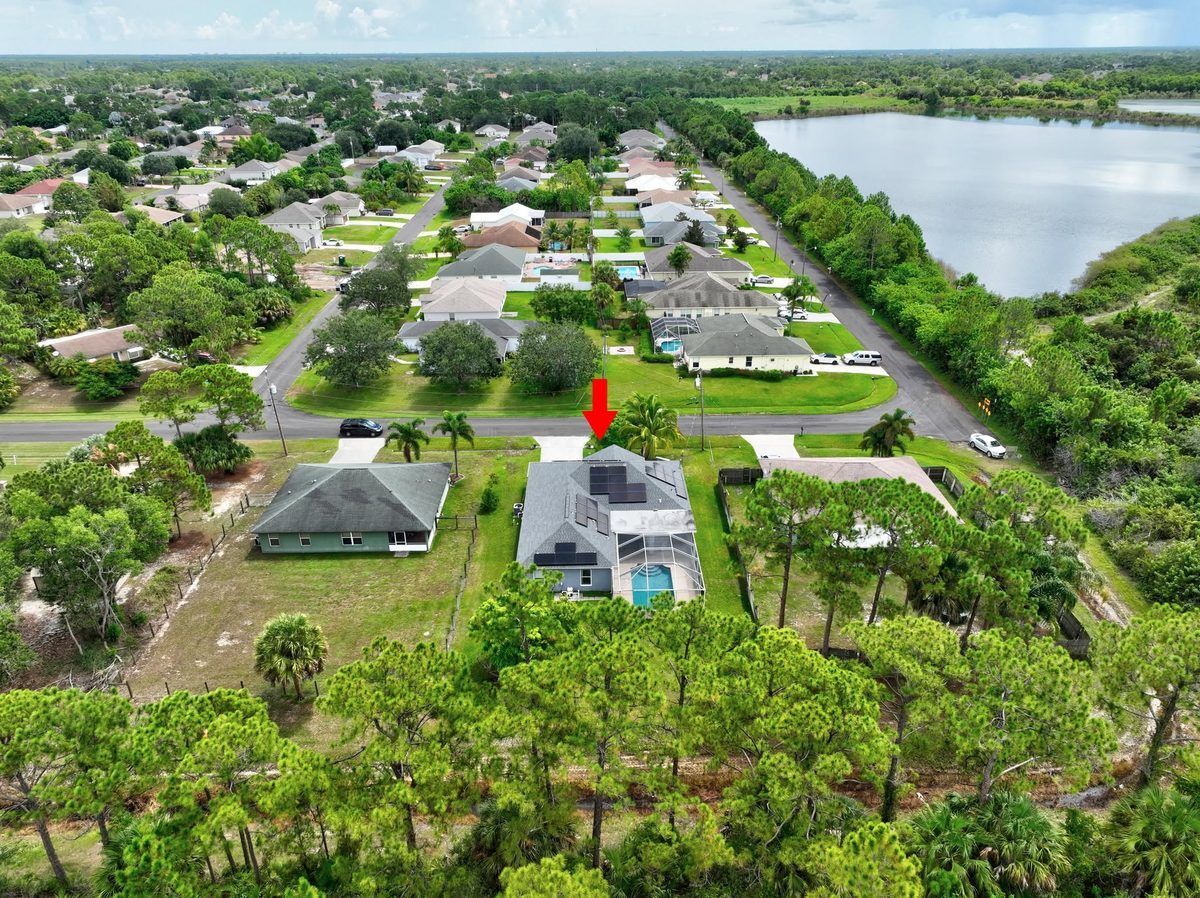
Understanding the difference between a general warranty deed vs. special warranty deed in Florida is one of the most important things you can do before signing any closing paperwork. If you are selling a home in Florida, or making sense of documents you received after a loved one passed away, you have probably seen both terms. The difference matters more than most people realize, and it is one of those things many agents do not explain up front because they assume your closing attorney will handle it. Sometimes that is fine. Sometimes you sign something you did not fully understand.
Here is a plain-language breakdown of both deed types, when each one comes up, and why it matters if you are selling a property that has had any kind of complicated history.
#What Does a General Warranty Deed Actually Promise?
A general warranty deed is the broadest promise a seller can make about a property's title. When you hand over a general warranty deed, you are telling the buyer that the title is clean all the way back, covering every prior owner in the chain, not just your ownership period.
That promise includes several specific legal covenants. In Florida, these typically include the covenant of seisin (you actually own what you say you own), the covenant of quiet enjoyment (no one will show up later with a better claim), and the covenant against encumbrances (no hidden liens, easements, or claims exist that were not disclosed).
If a title defect surfaces five years after closing, and that defect goes back to an owner from 30 years ago, the buyer can still come after the seller who gave a general warranty deed. The warranty travels with the deed and covers the full history.
This is the deed type used in most standard residential sales between private parties. It gives buyers the highest level of protection and is what a traditional lender-financed buyer expects to receive.
#What Does a Special Warranty Deed Cover Instead?
A special warranty deed is narrower. The seller only warrants the title for the period they personally owned the property. Anything that happened before their ownership is outside the scope of the warranty.
So if you inherited a house and owned it for two years before selling, a special warranty deed covers those two years. Whatever happened to the title in 1987 or 1998 is not your problem under this deed type. You are saying, in effect: during my ownership, I did not create any title defects, and I will defend against any claims that arose while I held it.
| Feature | General Warranty Deed | Special Warranty Deed |
|---|---|---|
| Title coverage period | Full chain of title, all prior owners | Only the seller's ownership period |
| Common use cases | Standard residential sales, financed purchases | Estate sales, foreclosures, distressed or as-is sales |
| Seller's liability for prior defects | Yes, seller is liable even for prior owners' issues | No, liability limited to the seller's own ownership |
| Accepted by mortgage lenders | Yes, typically required | Rarely, most lenders prefer general warranty |
| Accepted by cash buyers | Yes | Yes, especially with title insurance |
#When Do Special Warranty Deeds Come Up in Estate and Distressed Property Sales?
Special warranty deeds are particularly common in two situations: when a property is being sold out of an estate, and when the seller is an institution like a bank, a trust, or a government entity disposing of a foreclosed or tax-delinquent property.
An executor or personal representative handling a probate sale in Port St. Lucie, FL typically has no personal knowledge of what happened to that property's title before the deceased owner held it. They cannot honestly warrant something they have no way to verify. A special warranty deed reflects that honest limitation.
A family inherits a home that sat vacant for two years while probate worked its way through the courts. There may be unpaid contractor liens, old utility liens, or title issues from decades back that nobody in the family knows about. A special warranty deed is the appropriate instrument in that situation, and a buyer who understands this will factor it into their decision rather than walk away.
Banks selling foreclosed properties follow the same logic. They acquired the home through a legal process, held it for a period, and can only warrant what happened on their watch. Buyers of REO (real estate owned) properties routinely receive special warranty deeds. According to the Consumer Financial Protection Bureau, title insurance exists precisely to protect buyers from defects that a seller's warranty does not cover, which is why it plays a larger role in these transactions. Florida's own deed and title recording requirements are administered through the Florida Office of the Attorney General, which provides additional guidance on real property transactions.
#What About a Quitclaim Deed, and When Does That Come Into Play?
A quitclaim deed offers no warranty at all. It simply transfers whatever interest the grantor has in the property, with zero promise about whether that interest is clean, complete, or free of claims.
Quitclaim deeds are typically used between family members, to correct a defect in a chain of title, or to add or remove a person from a deed. In an arm's-length sale between strangers, a quitclaim deed is uncommon. The buyer absorbs all the title risk. Most financed buyers cannot accept one because lenders will not allow it. Cash buyers can accept one, though it requires a buyer who has done serious due diligence, usually paired with a title insurance policy.
#Why Do Cash Buyers of As-Is Properties Sometimes Accept a Special Warranty or Quitclaim Deed?
Cash buyers who purchase properties as-is have a different risk profile than a family buying their primary home with a 30-year mortgage. They are not relying on a lender's underwriting standards. They set their own. Working directly with a cash home buyer who already understands these deed types is one of the most practical ways to move a distressed or inherited property quickly.
A company like Buddy Buys Florida, which buys homes as-is in Port St. Lucie, FL, is not surprised when a special warranty deed is the right instrument for the sale. An executor who cannot warrant 30 years of title history should not have to pretend otherwise. A cash buyer with experience in inherited or distressed properties factors the deed type into the purchase, orders title insurance, and closes without requiring the seller to make warranties they cannot honestly make.
Title insurance is what actually protects a buyer against prior defects, not the deed itself. A buyer who insists on a general warranty deed but skips title insurance has less protection than a buyer who accepts a special warranty deed and purchases a solid title policy. The deed type and the title insurance are two separate layers of protection, and informed buyers use both.
For sellers dealing with inherited properties, deferred maintenance, or complicated ownership histories, understanding this distinction can relieve real pressure. You are not automatically stuck if you cannot offer a full general warranty. The right buyer for your situation already knows how to work within those limits.
#Common Questions
Can a seller in Florida be forced to give a general warranty deed?
No, Florida law does not require a specific deed type in a private sale. What deed type is used is a matter of negotiation between buyer and seller, typically specified in the purchase contract. Traditional financed buyers often expect a general warranty deed, but cash buyers and institutional buyers frequently accept less.
Does the deed type affect how fast a closing happens in Florida?
The deed type itself does not slow down or speed up a closing. What affects closing speed is the title search process, lien resolution, probate status, and whether a lender is involved. A cash sale with a special warranty deed can close much faster than a financed sale with a general warranty deed, simply because there is no lender underwriting timeline to satisfy.
If I inherited a home in Port St. Lucie, FL, can I still sell it quickly?
Yes, inherited properties can sell quickly, particularly to cash buyers who understand the probate process and do not require a general warranty deed. The key is working with a buyer who has experience with estate sales, is not relying on a lender's approval, and can move on the property once the legal authority to sell is established.
Is title insurance necessary if I receive a general warranty deed?
Title insurance is still worth carrying even with a general warranty deed. A deed warranty gives you a legal claim against the seller if a title defect surfaces, but collecting on that claim requires the seller to still be findable, solvent, and willing to cooperate. Title insurance pays out without any of those conditions being met, which makes it the more practical protection for most buyers.
If you are dealing with an inherited property, a distressed home, or a situation where a full general warranty deed is not realistic, Buddy Buys Florida buys houses in Port St. Lucie, FL as-is without unnecessary complications. If you want to talk through your situation, call or fill out the contact form and someone will get back to you.