
Florida Homestead Declaration Property Sale: What Every Port St. Lucie Seller Needs to Know Before Closing
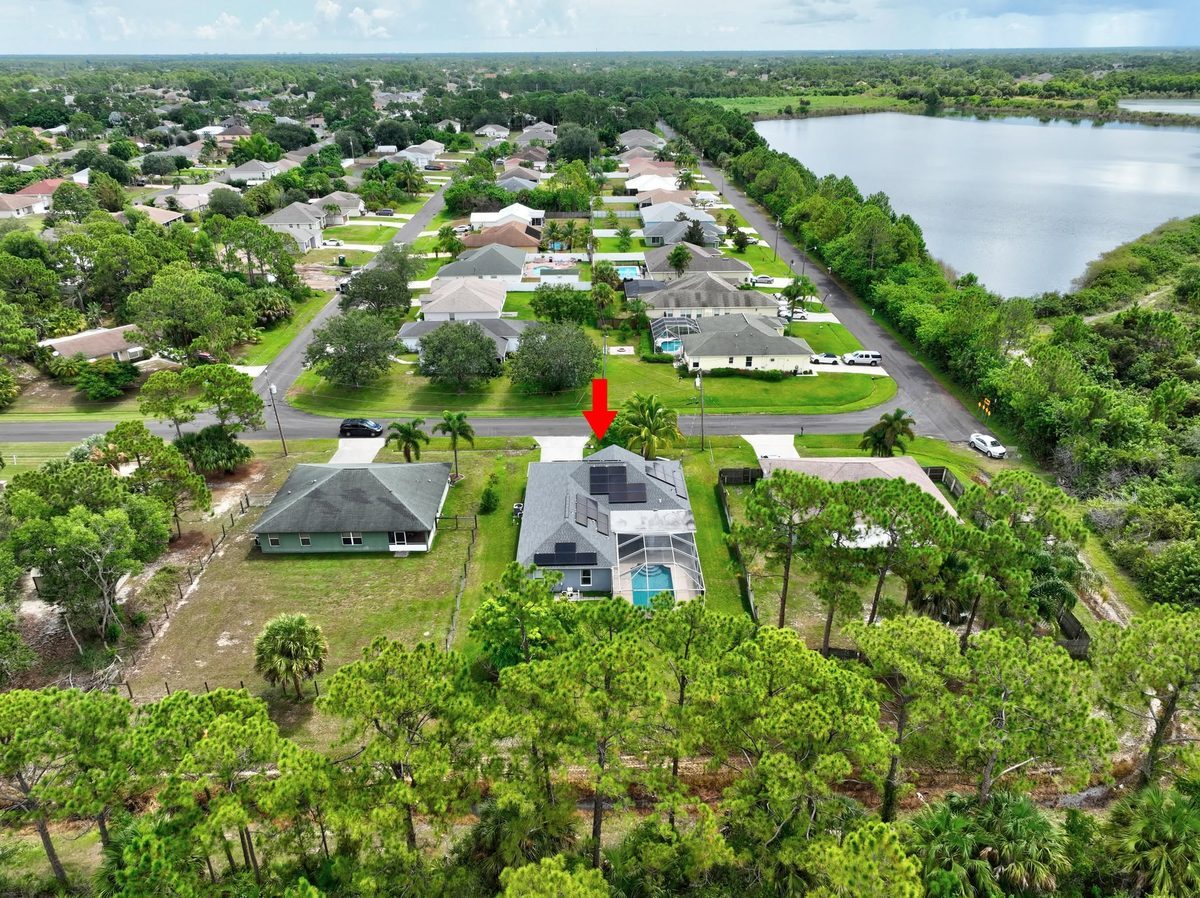
- Florida homestead status is established by living on a property as your primary residence and filing with the county property appraiser, and it carries legal protections that go well beyond a tax exemption.
- If a property is homestead, a married owner generally cannot sell or encumber it without the spouse's signature, even if the spouse is not on the deed.
- Sellers in Port St. Lucie, FL should verify homestead status and spousal consent requirements before going under contract, because a missing signature can void a closing after the fact.
- A lesser-known way to sell an inherited or distressed homestead property is through a direct cash buyer, which can simplify the title and consent process compared to a traditional listing.
- Clearing up homestead issues before closing is almost always faster than trying to fix them after a deal falls apart.
#What Is a Florida Homestead Declaration and How Does It Affect a Property Sale?
If you are planning a Florida homestead declaration property sale in Port St. Lucie, homestead status does something most sellers don't expect: it restricts who has the legal right to sign the closing documents, regardless of whose name is on the deed.
Getting this wrong does not just slow down a closing. It can unwind one entirely.
#How Does Florida Homestead Status Get Established?
Homestead status in Florida is established when a property owner makes the property their permanent primary residence and applies for the exemption through the county property appraiser's office. In St. Lucie County, that filing triggers two separate legal effects that most people treat as one thing but are actually distinct.
The first is the tax exemption. Under Florida law, a homestead property receives a reduction in the assessed value used to calculate property taxes, and the Save Our Homes cap limits how much that assessed value can increase each year. That is the part most owners know about.
The second effect is constitutional protection. Article X, Section 4 of the Florida Constitution protects a homestead property from forced sale by creditors and places specific restrictions on how that property can be sold or transferred. This is the part that catches sellers off guard.
The tax exemption and the constitutional homestead protection are governed by different parts of Florida law. A property can have one without the other, though in practice a filed exemption is strong evidence of constitutional homestead status.
#Can a Married Owner Sell a Homestead Property Without Their Spouse Signing?
A married owner generally cannot sell, mortgage, or otherwise transfer a homestead property in Florida without the other spouse's joinder, even if the spouse's name does not appear on the deed. This rule comes directly from the Florida Constitution and has been consistently upheld by Florida courts.
What that means in practice is straightforward. If you bought the house before you got married, put it in your name only, and it has been your primary residence since then, your spouse still has to sign the deed at closing. A title company will require it. A lender will require it. If the closing somehow proceeds without that signature, the conveyance can be challenged and potentially voided later.
This is not a technicality that gets waived. It is a constitutional requirement.
#How Do the Two Main Selling Paths Compare on Homestead Issues?
| Factor | Traditional Listing with an Agent | Direct Sale to a Cash Buyer |
|---|---|---|
| Spousal consent required | Yes, title company will require it before closing | Yes, the legal requirement is the same regardless of buyer type |
| Time to identify title issues | Often surfaces late in escrow, after marketing costs are sunk | Typically reviewed during a shorter due diligence window before contract |
| Flexibility on as-is condition | Buyers often request repairs after inspection | Property purchased as-is, no repair requests |
| Closing timeline | Typically 30 to 60 days after going under contract | Can close faster, sometimes in a matter of weeks |
| Inherited homestead complexity | Agent may not catch title issues until the title search | Cash buyers familiar with distressed or inherited titles can flag issues early |
#What Should Sellers Verify Before Going Under Contract?
Before you sign a listing agreement or accept any offer, there are a few things worth confirming on your own. None of them require a lawyer to start, though you will want one before you close.
- Check whether a homestead exemption is on file with the St. Lucie County Property Appraiser. You can look this up online at the county's official property appraiser portal.
- If you are married and the property has ever been your primary residence, assume your spouse will need to sign the deed. Confirm this with your closing attorney.
- If the property was inherited, find out whether the previous owner had a homestead exemption and whether any life estate or survivorship rights are attached to the title.
- If there are multiple heirs, determine early whether all of them have legal authority to sign. A personal representative or court order may be needed.
According to the Florida Department of Revenue, the homestead exemption applies to a permanent residence owned by a Florida resident, and it must be applied for by a specific annual deadline. Missing that deadline does not eliminate constitutional protections, but it can create confusion about status during a title search.
A homestead title issue that surfaces during escrow can kill a deal that both sides wanted. Buyers walk, agents move on, and the seller is left to sort out the legal problem alone. Knowing your homestead status before you list is a basic step that a surprising number of sellers skip.
#Does Homestead Status Affect Inherited Properties Differently?
Inherited homestead properties carry their own set of complications, and they come up often in Port St. Lucie because of the area's long-established residential neighborhoods and aging homeowner population.
When a homestead owner dies, Florida law places restrictions on how that property can be devised. If the deceased had a surviving spouse or minor children, the property may be treated as a protected homestead under Florida Statute 732.401, which means it cannot be freely transferred through a will in the same way a non-homestead property can. Instead, the surviving spouse may receive a life estate or elect to take an undivided half interest.
This is a system some homeowners and their heirs only learn about when they try to sell. A property that looks straightforward on paper can have competing ownership interests that require a court proceeding to resolve before a clean title can be conveyed.
If you inherited a property and are trying to figure out whether you can sell it, the starting point is a title search and a conversation with a Florida real estate